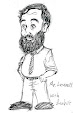
OK, so I admit it - I've been in a little bit of a funk as a writer. It's partly because of the tepid response to my two new sets of stories (see below posts) - maybe I've lost it as a writer? Maybe I ran out of stories and everyone knows it? Maybe they just don't want to buy stuff these days. Not sure. My wife says I just haven't found my niche yet.
But I plow on, with fifteen projects going, and three in the process of change - two being put into 6 X 9 format, one being taken back out of it. I've been stuck on that alone for several weeks, though I've done a little writing too. One of the projects deals with early Puritans, my ancestors for the most part, and the unfortunate fate of the Wampanoag in Massachusetts. Another deals with the pioneers who came west into the prairie, ultimately ending up in Council Bluffs.
Not that I expect you to care. I've put some of my ideas here but since I've always put some stories on this site, and hope you come back, I will keep bringing you back, the best I can. For those of you in the esl world, try wiki people readers. It's a site for esl activities, my own kind of site, that you might enjoy.
Take care and stay in touch!
Saturday, December 5, 2020

Tuesday, September 22, 2020
Comin' 'Round to Lovin' It

Monday, August 31, 2020
edit me
I've been somewhat absorbed in the true stories of ancestors or likely-ancestors, since my lineage is not really clear, and in that sense, there is infinite work to do. The more you learn, the more there is to learn.
But writing non-fiction is a lot different from writing fiction, and I'll be the first to admit that I have a lot to learn in that sense too. I very quickly published two non-fiction accounts of early ancestors, Puritan Leveretts and 18th Century Leveretts; the first sold a few copies, as everyone is into Puritans even now, but the second sold almost zip. I was looking at my own copies and was horrified that I hadn't really been all that careful. In one, I misspelled the name of a relative, Erwin Otis, and in another, I had actually printed "Forward" instead of "Foreword." The very first word, misspelled! Careful spell-check found a few other errors as well.
I have always done my own copy editing, as I haven't found enough people to go through the with fine-tooth comb, so to speak. But during the pandemic I've had extra trouble. I've actually found more to write about, but I have less patience for going over the language. And as a result, I've actually published books with errors like the above.
It is my solemn vow to reform myself, and clean up my act.
But writing non-fiction is a lot different from writing fiction, and I'll be the first to admit that I have a lot to learn in that sense too. I very quickly published two non-fiction accounts of early ancestors, Puritan Leveretts and 18th Century Leveretts; the first sold a few copies, as everyone is into Puritans even now, but the second sold almost zip. I was looking at my own copies and was horrified that I hadn't really been all that careful. In one, I misspelled the name of a relative, Erwin Otis, and in another, I had actually printed "Forward" instead of "Foreword." The very first word, misspelled! Careful spell-check found a few other errors as well.
I have always done my own copy editing, as I haven't found enough people to go through the with fine-tooth comb, so to speak. But during the pandemic I've had extra trouble. I've actually found more to write about, but I have less patience for going over the language. And as a result, I've actually published books with errors like the above.
It is my solemn vow to reform myself, and clean up my act.
Sunday, August 2, 2020
Hands Off That Pear
Hands Off That Pear

& 23 other short stories
Available on Amazon $5.29 + shipping
Available on Kindle $3.79
more coming!
Sunday, March 8, 2020
Free Coffee
My local convenience store has free coffee on Friday mornings, so I went in there this morning after I’d gotten gas. I live way out in the country so the way the place is busy is always a little entertaining to me. But there was a line to get the coffee, and the manager of the place was making another pot. He already had at least one other pot going but it too was almost finished. There was a kind of run on fresh hot coffee, but that was good because it was a cold winter morning in February, and I decided to wait for it, and not just walk out without mine.
But as I stood there I noticed that the entire line, maybe seven people, was comprised of high school girls. Apparently the high school is only about two blocks from the store, so all these girls had come over to get their coffee before school. I thought for a moment about the corrupting nature of it, as I now drink about six cups a day, and it doesn’t do me a whole lot of good. This store is getting these young girls hooked on the stuff before they’re old enough to know any better, I thought, and I considered the cigarette commercials of my youth, which had gotten me to smoke for what, about ten years.
Now these were the days of the coronavirus, and you weren’t supposed to stand around breathing everyone’s air unless you were pretty sure they were ok. It hadn’t quite reached our small town to the best of my knowledge, so these girls were acting the way they usually did, giggling and telling stories about various teachers and what had happened in school earlier in the week. They were busy being teenage girls, and I was an old codger in line behind them, waiting for the coffee to be made so we could all be on our way. People had to go around us to get to the bathroom, but I was avoiding the place, just kind of watching everything idly, and listening in a little.
One of their teachers had done a climate change assignment, and one of the girls’ parents had objected and called the teacher, claiming that climate change was a hoax and they shouldn’t be teaching it in high school. As I listened to this, it raised my eyebrow a little, as last winter was the warmest we’d ever had. It seemed pretty obvious to me, what with fires all over Australia and the North Pole being 65 degrees, that there was something up with the climate. In fact, in the front of the store, when I’d come in, some guy was complaining to another about how a bug beetle, which usually froze over the winter, and had trouble coming back, was already back: it hadn’t frozen. It wasn’t cold enough. On the one hand, it was a question: was the climate really changing, or was this the teacher’s imagination? To the girl, it was a question of parental interference: her life would be easier if her parents simply stayed out of it.
Two other girls were talking about a boy: what he had said or done, how he was a little rude, but yet a little cute; you get the picture. Keep in mind I’m an old man, a grandfather, and know these girls only vaguely; of course I am invisible to them, and this is absolutely none of my business. I’m sure it’s what high school girls talk about every day, or at every opportunity. I tried hard not to pay attention, but I was amused anyway. They didn’t really know how to handle the coffee, how to find the real half-and-half, which is in the dairy cooler, instead of the squirt fake creamer that you use if you can’t find anything better. They didn’t know how to fit the lids on snugly, or use one of the sleeves. They helped each other with these things; I stayed out of it.
I didn’t want to simply interject myself into their conversation, because as I stood there I realized that they’d come as a group of six or seven, and some of them who already had their coffee were there standing and waiting for the others to finish before they’d all go back – late for school, perhaps, but late all seven of them together, with strength in numbers. Our town is small. If seven girls are all late for class, there’s not much the school can do to punish them. They’d have too much fun, all being punished together, and wouldn’t care that much about the work. They were probably the majority of whatever class they were in.
Over where I stood was near the soft-drink dispenser, up against the back wall, over by the bathrooms. A trucker was in the bathroom and another, who was wearing a Cowboys jacket, was waiting in line. A third guy, an older guy who I knew a little, who was dressed in a suit, and who lived in our town, had engaged that trucker in conversation about the weather. These two also thought the weather was very unusual. From listening, with the coronavirus and everything, you’d think the world was about to end. The stock market had just crashed. The weather was haywire. It was late February and there was still some snow, and there was an accident up the road somewhere, which I wanted to hear, because I drive a lot. All this gave me a feeling of impending doom and at the same time, great excitement.
The convenience store is small, so seven teenage girls fill it up pretty quickly. But the coffee was free, so all they had to do was walk out; they didn’t even have to wait in line, and pay, and get their change, and maybe buy a lottery ticket. Some old guy was there buying a lottery ticket anyway, and he was a farmer, or someone who lived out in the country; he had dirty pants, and rough hands from working. The girls gathered up their coffee cups, held delicately in their hands, and began the process of walking around him on their way out the door.
He had unexpectedly won something on one of his lottery tickets, and in his excitement he backed up and hit one of the girls, who then spilled her coffee, not only on her hand but also on her jacket and jeans. She was quite upset about this because, being a teenage girl, her jacket and jeans were very important to her. I could understand her distress, since probably the best thing to do would be to wash both immediately, and she was already late for school, and unable to do that, really. The others stopped or came back in to the store to gather around and gasp at the horror of what had happened. The man was sorry for making her spill it, and apologized several times, but he was still smiling as a result of winning something unexpectedly that was hard or almost impossible to win.
It was, in fact, the day we got the coronavirus in our town, and it happened in that very bathroom; it may have even been that very trucker, though we never found out, as several people were coming and going, all morning. People are coming through this store all the time, and handling doorknobs, and handling money, and spilling coffee; there is no end to things like what I saw. It was the guy in the suit, as I understand it, who picked it up somewhere. I don’t think the girls were directly involved in this, and I couldn’t help but feel, in my own grandfatherly way, that it was a rough world they were getting into, with all kinds of hazards out there. Being a minister in one of the town’s major churches, I tend to look at everyone as part of my flock; I feel the divine energy protecting them as these teenagers become adults and try to defend themselves against the cruelty of the outside world. God’s will, maybe, put me between them and the guy in the suit, though I hate to push that theory anymore; I wonder if it wasn’t just sheer luck. It wasn’t them, or me, who got the coronavirus anyway, but we were all asked about the scene in that store several times before it was all over. People repeatedly would try to place how it happened, or try to figure out how such a thing could come to our small town.
My own feeling about it is that the delicate balance and order of nature had been disturbed; now that you know I am a minister, you are probably sure that I will put God in here somewhere before it’s all over. I won’t, because I don’t want to offend your sensibility, but let’s just say I was there that day. I was there, and I actually had some time to watch. That was because it took those girls so long to get their coffee, and I probably saw as much as anyone did. It was the guy in the suit who got sick, and though it wasn’t him that died, it took quite some time before our town got back to normal again. I’m sure those teenage girls all felt a little lucky that they had passed through on that morning and lived to tell the tale. They were of no help in identifying anyone, of course, because, as teenagers, they weren’t in the habit of watching older men carefully, except in the sense that they might be dangerous. I, for example, might just as well have not been there, as far as they knew; they were so self-conscious, as they tried to figure out their plastic coffee lids, that their faces went almost flush in embarassment when the lid didn’t fit right. I was intensely aware of how difficult it is to be a teenager in this world, and try to get what you need, and still make it over to the school on time. It’s a crazy world they were growing up into, and all I could think was, if a cup of coffee will help them through it, that would be the least we could do. 3-20
But as I stood there I noticed that the entire line, maybe seven people, was comprised of high school girls. Apparently the high school is only about two blocks from the store, so all these girls had come over to get their coffee before school. I thought for a moment about the corrupting nature of it, as I now drink about six cups a day, and it doesn’t do me a whole lot of good. This store is getting these young girls hooked on the stuff before they’re old enough to know any better, I thought, and I considered the cigarette commercials of my youth, which had gotten me to smoke for what, about ten years.
Now these were the days of the coronavirus, and you weren’t supposed to stand around breathing everyone’s air unless you were pretty sure they were ok. It hadn’t quite reached our small town to the best of my knowledge, so these girls were acting the way they usually did, giggling and telling stories about various teachers and what had happened in school earlier in the week. They were busy being teenage girls, and I was an old codger in line behind them, waiting for the coffee to be made so we could all be on our way. People had to go around us to get to the bathroom, but I was avoiding the place, just kind of watching everything idly, and listening in a little.
One of their teachers had done a climate change assignment, and one of the girls’ parents had objected and called the teacher, claiming that climate change was a hoax and they shouldn’t be teaching it in high school. As I listened to this, it raised my eyebrow a little, as last winter was the warmest we’d ever had. It seemed pretty obvious to me, what with fires all over Australia and the North Pole being 65 degrees, that there was something up with the climate. In fact, in the front of the store, when I’d come in, some guy was complaining to another about how a bug beetle, which usually froze over the winter, and had trouble coming back, was already back: it hadn’t frozen. It wasn’t cold enough. On the one hand, it was a question: was the climate really changing, or was this the teacher’s imagination? To the girl, it was a question of parental interference: her life would be easier if her parents simply stayed out of it.
Two other girls were talking about a boy: what he had said or done, how he was a little rude, but yet a little cute; you get the picture. Keep in mind I’m an old man, a grandfather, and know these girls only vaguely; of course I am invisible to them, and this is absolutely none of my business. I’m sure it’s what high school girls talk about every day, or at every opportunity. I tried hard not to pay attention, but I was amused anyway. They didn’t really know how to handle the coffee, how to find the real half-and-half, which is in the dairy cooler, instead of the squirt fake creamer that you use if you can’t find anything better. They didn’t know how to fit the lids on snugly, or use one of the sleeves. They helped each other with these things; I stayed out of it.
I didn’t want to simply interject myself into their conversation, because as I stood there I realized that they’d come as a group of six or seven, and some of them who already had their coffee were there standing and waiting for the others to finish before they’d all go back – late for school, perhaps, but late all seven of them together, with strength in numbers. Our town is small. If seven girls are all late for class, there’s not much the school can do to punish them. They’d have too much fun, all being punished together, and wouldn’t care that much about the work. They were probably the majority of whatever class they were in.
Over where I stood was near the soft-drink dispenser, up against the back wall, over by the bathrooms. A trucker was in the bathroom and another, who was wearing a Cowboys jacket, was waiting in line. A third guy, an older guy who I knew a little, who was dressed in a suit, and who lived in our town, had engaged that trucker in conversation about the weather. These two also thought the weather was very unusual. From listening, with the coronavirus and everything, you’d think the world was about to end. The stock market had just crashed. The weather was haywire. It was late February and there was still some snow, and there was an accident up the road somewhere, which I wanted to hear, because I drive a lot. All this gave me a feeling of impending doom and at the same time, great excitement.
The convenience store is small, so seven teenage girls fill it up pretty quickly. But the coffee was free, so all they had to do was walk out; they didn’t even have to wait in line, and pay, and get their change, and maybe buy a lottery ticket. Some old guy was there buying a lottery ticket anyway, and he was a farmer, or someone who lived out in the country; he had dirty pants, and rough hands from working. The girls gathered up their coffee cups, held delicately in their hands, and began the process of walking around him on their way out the door.
He had unexpectedly won something on one of his lottery tickets, and in his excitement he backed up and hit one of the girls, who then spilled her coffee, not only on her hand but also on her jacket and jeans. She was quite upset about this because, being a teenage girl, her jacket and jeans were very important to her. I could understand her distress, since probably the best thing to do would be to wash both immediately, and she was already late for school, and unable to do that, really. The others stopped or came back in to the store to gather around and gasp at the horror of what had happened. The man was sorry for making her spill it, and apologized several times, but he was still smiling as a result of winning something unexpectedly that was hard or almost impossible to win.
It was, in fact, the day we got the coronavirus in our town, and it happened in that very bathroom; it may have even been that very trucker, though we never found out, as several people were coming and going, all morning. People are coming through this store all the time, and handling doorknobs, and handling money, and spilling coffee; there is no end to things like what I saw. It was the guy in the suit, as I understand it, who picked it up somewhere. I don’t think the girls were directly involved in this, and I couldn’t help but feel, in my own grandfatherly way, that it was a rough world they were getting into, with all kinds of hazards out there. Being a minister in one of the town’s major churches, I tend to look at everyone as part of my flock; I feel the divine energy protecting them as these teenagers become adults and try to defend themselves against the cruelty of the outside world. God’s will, maybe, put me between them and the guy in the suit, though I hate to push that theory anymore; I wonder if it wasn’t just sheer luck. It wasn’t them, or me, who got the coronavirus anyway, but we were all asked about the scene in that store several times before it was all over. People repeatedly would try to place how it happened, or try to figure out how such a thing could come to our small town.
My own feeling about it is that the delicate balance and order of nature had been disturbed; now that you know I am a minister, you are probably sure that I will put God in here somewhere before it’s all over. I won’t, because I don’t want to offend your sensibility, but let’s just say I was there that day. I was there, and I actually had some time to watch. That was because it took those girls so long to get their coffee, and I probably saw as much as anyone did. It was the guy in the suit who got sick, and though it wasn’t him that died, it took quite some time before our town got back to normal again. I’m sure those teenage girls all felt a little lucky that they had passed through on that morning and lived to tell the tale. They were of no help in identifying anyone, of course, because, as teenagers, they weren’t in the habit of watching older men carefully, except in the sense that they might be dangerous. I, for example, might just as well have not been there, as far as they knew; they were so self-conscious, as they tried to figure out their plastic coffee lids, that their faces went almost flush in embarassment when the lid didn’t fit right. I was intensely aware of how difficult it is to be a teenager in this world, and try to get what you need, and still make it over to the school on time. It’s a crazy world they were growing up into, and all I could think was, if a cup of coffee will help them through it, that would be the least we could do. 3-20
Saturday, February 8, 2020
Streetview Movie
Streetview Movie
My brother and I rarely get together, and don’t have much in common; he’s a music promoter, and I’m a bond trader. But we had a close family, before mom died in a car accident, and we have lots of good memories. We were talking about our grandfather, mom’s dad, the other day. Grandpa Ken lived out on a farm way out in the country, in a beautiful place out at the end of some road in eastern Kansas. We both had a good memory of the place itself and the road to it, as we had been there many times as kids. There was a lake that you’d travel along, and some milo fields, dark red in the late summer sun, and some wooden fences, and this one bridge you’d cross, over a little creek where we used to play, before you got there. And there would be his farm house, wooden, shining in the afternoon sun, and his chair. He was always in that rocking chair, out in front, looking out over a slight valley, and he’d greet us as we drove up the gravel lane.
But, as our parents grew older, we went out there less, and then mom died, and then, about four years ago, he died. We weren’t really able to say goodbye to him, and, when we went to his funeral, we were very sad about that; everyone was, as he was a very well-loved man. It was just that he hadn’t told us even that he was sick; it was rather sudden; one day he was just gone.
My brother and I lead busy lives; I live in Denver and he lives in New Orleans. So even we don’t get together very often, but one day recently we both happened to be in Memphis, so we got together. I was there for a basketball tournament, and he was there for something related to music, so he came over to my hotel. We started talking about all kinds of things, the parents, our sister, Grandpa Ken, the farm in Kansas, all kinds of topics came up.
Well, the more we talked about that farm, the more we were curious. We’d had a lot of good times out at that farm, and we remembered them clearly. Sometimes we were down in the creek, with Grandpa Ken himself, as he liked to explore around old wooded areas and find arrowheads and things. Other times we helped him with the milo, some of which was his, and I remember its deep red color and Grandpa Ken’s face as he inspected it. We’d swim or fish in the lake; it belonged to someone, but Ken knew the guy, and nobody minded his grandkids. Even mom would come along and once she actually caught a big fish.
I had my computer with me, so we just loaded up Google Maps, and started looking at the area on the map function. It was easy, and, using street view, pretty soon we were seeing those same old roads that you use to get out there, the lake, the fields, the bridge, all of it.
Now here’s the weird part. One day, I’m sure, some Google streetview car and driver went out that same road, the road we used to take as kids. That streetview driver went out past the lake, past the old milo fields, past the wooden fences and over the bridge. Remember that Grandpa died four years ago. But the streetview driver had probably gone out there before that, and, the way streetview was in 2017, they weren’t going out on that road every year. They had to choose which roads to update, and, if a road was in the country, and didn’t affect many people, well, it would just wait five or ten years before it was updated. So my guess is that when we were on streetview that night, that driver had gone down that road maybe five or six years earlier.
Anyway, when that streetview driver got out to that old wooden farmhouse, there was Grandpa Ken, sitting on his chair, in front of the house, as he would generally be when we got out there. That chair had a pretty good view, considering that Kansas is overall pretty flat, but in the afternoon Grandpa would always sit on that chair, and he was there when that driver got there, and he waved at the driver, just as he would, to us.
So maybe you can guess what happened. My brother and I took the streetview camera option and went down that road like we always used to, as kids. We saw the lake, the milo fields, the wooden fences, the old bridge, and the creek; we remembered every tree that we used to climb on.
When we got out to the old wooden house at the end of the road, there he was, sitting on his chair. The Google streetview camera preserved him, just as he always was, sitting on that chair.
So my brother and I were watching street view, in order to remember the place, and to get some memories of what it was like to go up that road as kids. And we saw our Grandpa waving, right there, when we got up to his house. But here’s where you’ll never believe me. We could swear he was saying goodbye to us now. We knew he was in that image, in that little movie that streetview made, because we could feel him in there.
I actually don’t believe in the supernatural. I’m a bond trader, and a math person, and I believe in principles of math, but I don’t believe in ghosts. If you asked me if dead people could still be alive, or if their ghosts were around us, haunting our old houses, I’d say no. And I believe my brother would say the same thing, though he’s more of a musician by nature. We in our family never actually believed that the dead could come back and speak to us from the images on Google or anywhere else. But we were both there in that hotel room when we saw that. And the strange thing is, we both feel that, now, we’ve finally been able to say goodbye to him. We said goodbye when we saw him in that image. We were both affected in the same way.
Streetview, by now, has changed; he’s gone. We had our chance, we went out there, and we saw him. We both know that was him. If you don’t believe me, ask my brother. I still shiver, just when I think of it, and I think he does too. But I’m glad it happened. We loved him a lot, and we needed to see him one more time.
2-2020 This story will appear in the next collection of short stories, which will be marketed soon. -TL
My brother and I rarely get together, and don’t have much in common; he’s a music promoter, and I’m a bond trader. But we had a close family, before mom died in a car accident, and we have lots of good memories. We were talking about our grandfather, mom’s dad, the other day. Grandpa Ken lived out on a farm way out in the country, in a beautiful place out at the end of some road in eastern Kansas. We both had a good memory of the place itself and the road to it, as we had been there many times as kids. There was a lake that you’d travel along, and some milo fields, dark red in the late summer sun, and some wooden fences, and this one bridge you’d cross, over a little creek where we used to play, before you got there. And there would be his farm house, wooden, shining in the afternoon sun, and his chair. He was always in that rocking chair, out in front, looking out over a slight valley, and he’d greet us as we drove up the gravel lane.
But, as our parents grew older, we went out there less, and then mom died, and then, about four years ago, he died. We weren’t really able to say goodbye to him, and, when we went to his funeral, we were very sad about that; everyone was, as he was a very well-loved man. It was just that he hadn’t told us even that he was sick; it was rather sudden; one day he was just gone.
My brother and I lead busy lives; I live in Denver and he lives in New Orleans. So even we don’t get together very often, but one day recently we both happened to be in Memphis, so we got together. I was there for a basketball tournament, and he was there for something related to music, so he came over to my hotel. We started talking about all kinds of things, the parents, our sister, Grandpa Ken, the farm in Kansas, all kinds of topics came up.
Well, the more we talked about that farm, the more we were curious. We’d had a lot of good times out at that farm, and we remembered them clearly. Sometimes we were down in the creek, with Grandpa Ken himself, as he liked to explore around old wooded areas and find arrowheads and things. Other times we helped him with the milo, some of which was his, and I remember its deep red color and Grandpa Ken’s face as he inspected it. We’d swim or fish in the lake; it belonged to someone, but Ken knew the guy, and nobody minded his grandkids. Even mom would come along and once she actually caught a big fish.
I had my computer with me, so we just loaded up Google Maps, and started looking at the area on the map function. It was easy, and, using street view, pretty soon we were seeing those same old roads that you use to get out there, the lake, the fields, the bridge, all of it.
Now here’s the weird part. One day, I’m sure, some Google streetview car and driver went out that same road, the road we used to take as kids. That streetview driver went out past the lake, past the old milo fields, past the wooden fences and over the bridge. Remember that Grandpa died four years ago. But the streetview driver had probably gone out there before that, and, the way streetview was in 2017, they weren’t going out on that road every year. They had to choose which roads to update, and, if a road was in the country, and didn’t affect many people, well, it would just wait five or ten years before it was updated. So my guess is that when we were on streetview that night, that driver had gone down that road maybe five or six years earlier.
Anyway, when that streetview driver got out to that old wooden farmhouse, there was Grandpa Ken, sitting on his chair, in front of the house, as he would generally be when we got out there. That chair had a pretty good view, considering that Kansas is overall pretty flat, but in the afternoon Grandpa would always sit on that chair, and he was there when that driver got there, and he waved at the driver, just as he would, to us.
So maybe you can guess what happened. My brother and I took the streetview camera option and went down that road like we always used to, as kids. We saw the lake, the milo fields, the wooden fences, the old bridge, and the creek; we remembered every tree that we used to climb on.
When we got out to the old wooden house at the end of the road, there he was, sitting on his chair. The Google streetview camera preserved him, just as he always was, sitting on that chair.
So my brother and I were watching street view, in order to remember the place, and to get some memories of what it was like to go up that road as kids. And we saw our Grandpa waving, right there, when we got up to his house. But here’s where you’ll never believe me. We could swear he was saying goodbye to us now. We knew he was in that image, in that little movie that streetview made, because we could feel him in there.
I actually don’t believe in the supernatural. I’m a bond trader, and a math person, and I believe in principles of math, but I don’t believe in ghosts. If you asked me if dead people could still be alive, or if their ghosts were around us, haunting our old houses, I’d say no. And I believe my brother would say the same thing, though he’s more of a musician by nature. We in our family never actually believed that the dead could come back and speak to us from the images on Google or anywhere else. But we were both there in that hotel room when we saw that. And the strange thing is, we both feel that, now, we’ve finally been able to say goodbye to him. We said goodbye when we saw him in that image. We were both affected in the same way.
Streetview, by now, has changed; he’s gone. We had our chance, we went out there, and we saw him. We both know that was him. If you don’t believe me, ask my brother. I still shiver, just when I think of it, and I think he does too. But I’m glad it happened. We loved him a lot, and we needed to see him one more time.
2-2020 This story will appear in the next collection of short stories, which will be marketed soon. -TL
Subscribe to:
Posts (Atom)